

Advanced TSCM Equipment & Technical Capabilities
Professional equipment is only as effective as the methodology and technical judgment behind it.
SafeGuard combines specialized TSCM instrumentation with methodical physical examination, experienced analysis, and appropriate Time on Target. Rather than relying on a single detector or automated result, multiple technologies can be used together to examine the environment, evaluate anomalies, and develop technically supportable findings.
Equipment is selected according to the environment and requirements of each assessment—not simply because an instrument is available.
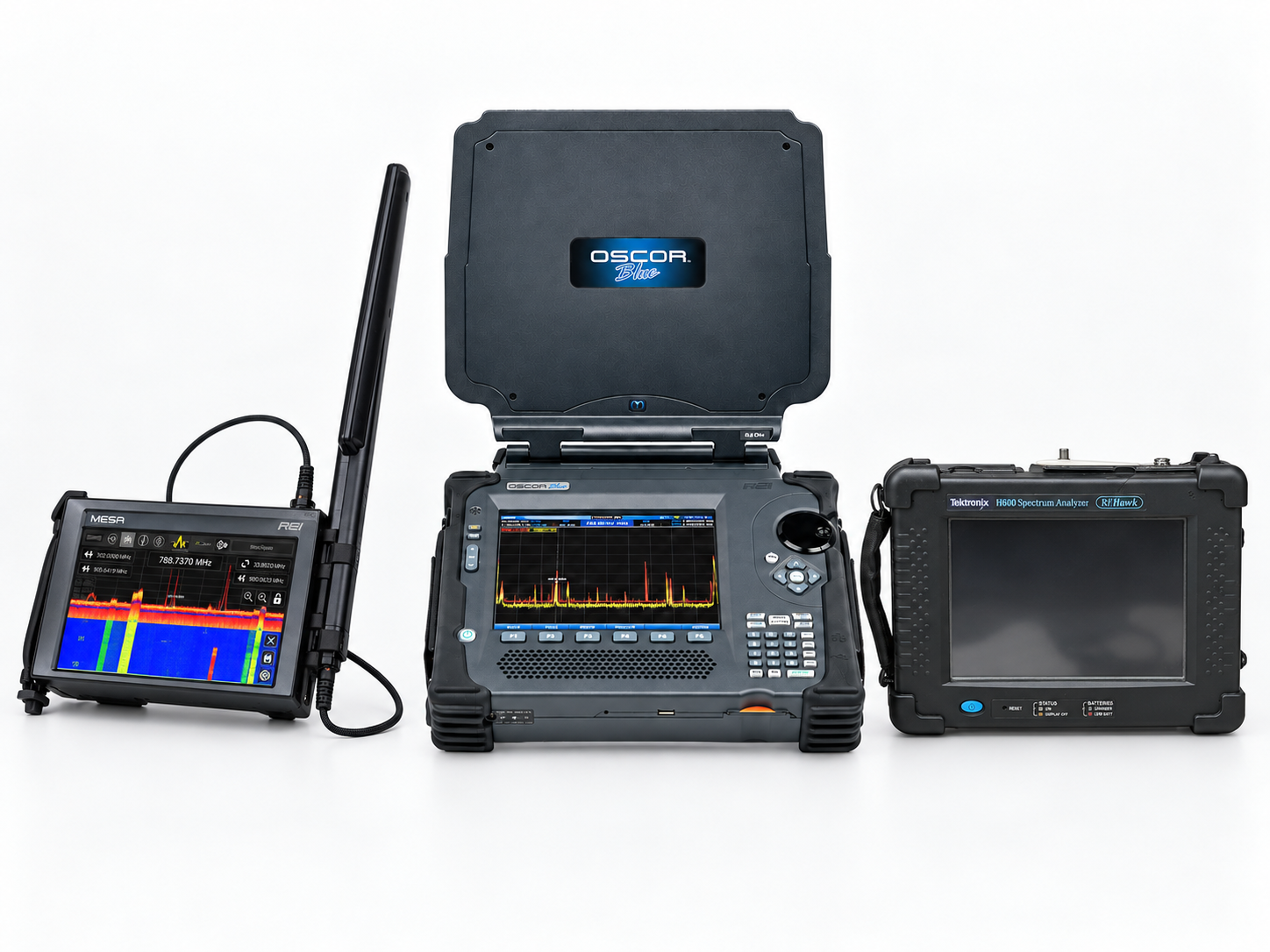
RF Spectrum Analysis & Signal Investigation
Radio-frequency analysis is a core component of a professional TSCM assessment. SafeGuard uses professional spectrum-analysis systems to examine the RF environment, identify active signals, characterize transmissions, and evaluate activity that warrants closer examination.
Our RF capability includes the REI OSCOR, supported by the MESA 2.0 platform for complementary RF, cellular, Wi-Fi, Bluetooth, and signal-analysis work.
Rather than treating an unfamiliar signal as evidence of surveillance, SafeGuard evaluates RF activity in context. Signals can be compared against the surrounding environment, known sources, previous observations, and additional detection methods before conclusions are reached.
For appropriate engagements, extended or overnight monitoring can also provide additional context by capturing activity beyond the immediate assessment window.
Primary RF & Wireless Analysis Systems
- REI OSCOR
- REI MESA 2.0
- Specialized antennas and RF accessories
- Extended-duration monitoring capability
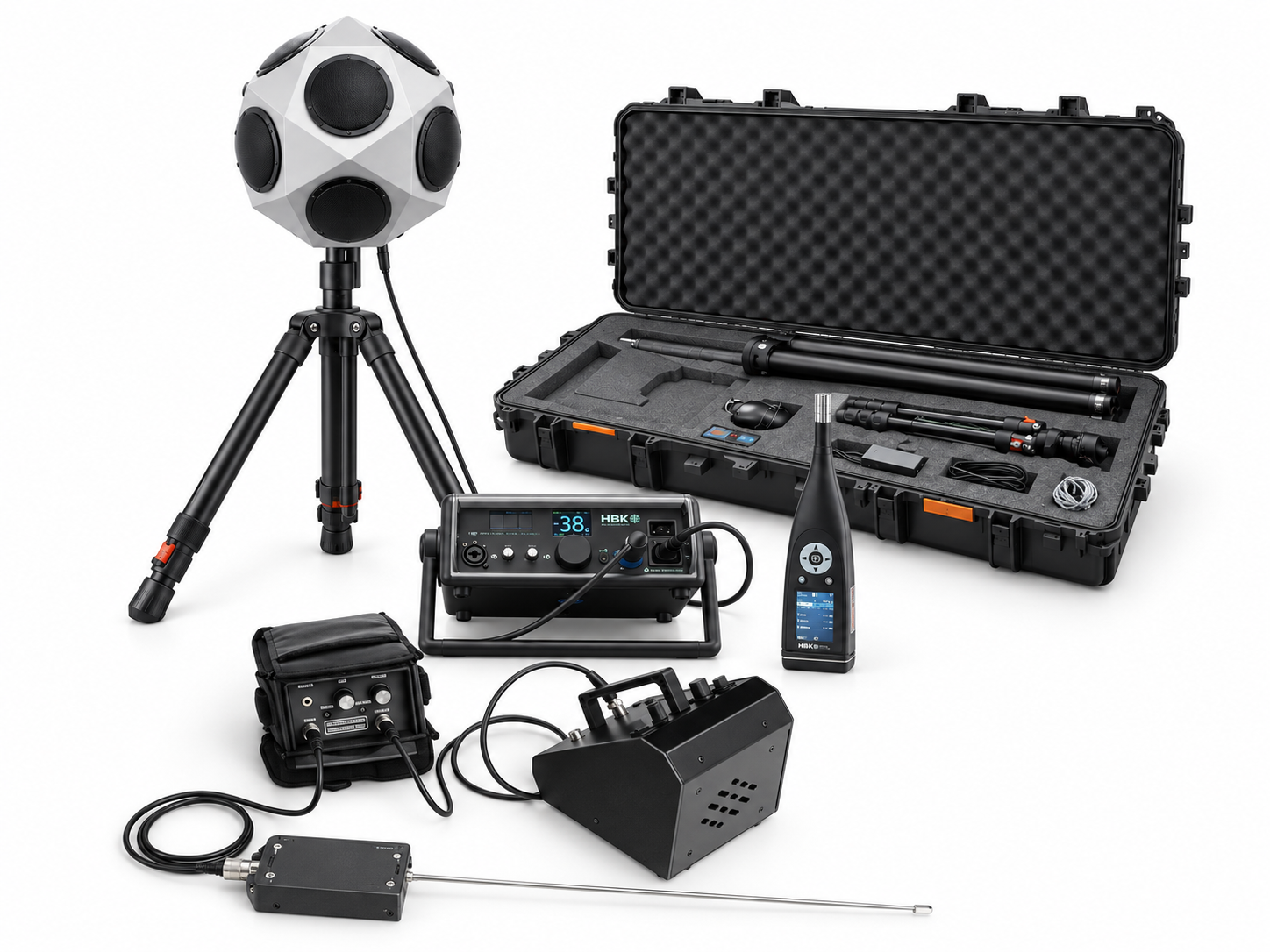
Acoustic Measurement & Analysis
SafeGuard uses professional acoustic measurement and analysis equipment to evaluate sound transmission and relevant acoustic conditions within sensitive environments.
Brüel & Kjær / HBK measurement systems can be used to evaluate how sound behaves and travels through walls, doors, windows, penetrations, adjoining spaces, and other potential acoustic pathways.
Separate acoustic-detection methods, including Shearwater TSCM Bloodhound, can support appropriate acoustically stimulated microphone-detection work. These are distinct technical methods and are selected according to the requirements of the engagement.
SafeGuard also maintains acoustic imaging and sound-source localization capability for examining and pinpointing sound sources when appropriate.
Key Acoustic Capabilities:
Brüel & Kjær / HBK Acoustic Measurement Systems • Acoustic Imaging & Sound-Source Localization • Shearwater TSCM Bloodhound
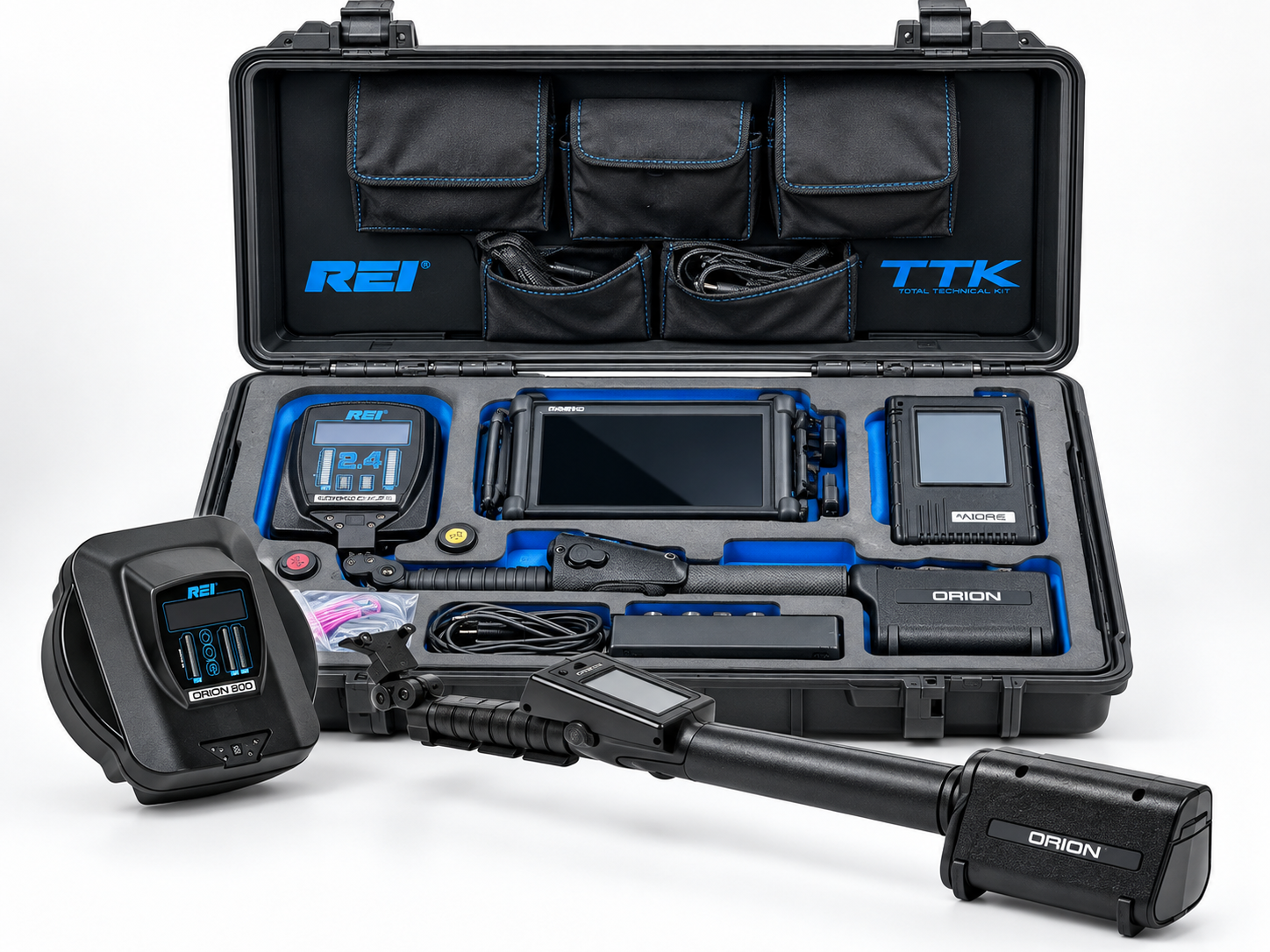
Electronic-Device Detection
Not every electronic surveillance device needs to be actively transmitting to be discoverable. Nonlinear junction detection provides another layer of examination by identifying electronic semiconductor components that may be concealed within objects, furnishings, fixtures, walls, and other areas of interest.
SafeGuard uses the REI ORION Nonlinear Junction Detector (NLJD) during appropriate assessments to locate and evaluate electronic components regardless of whether a device is actively transmitting a radio-frequency signal.
NLJD responses are interpreted in context rather than treated automatically as evidence of surveillance. Legitimate electronics, corrosion, and other materials can produce responses that require additional examination and correlation with physical inspection or other technical methods.
This makes nonlinear junction detection particularly valuable as part of a layered assessment methodology—not as a standalone determination.
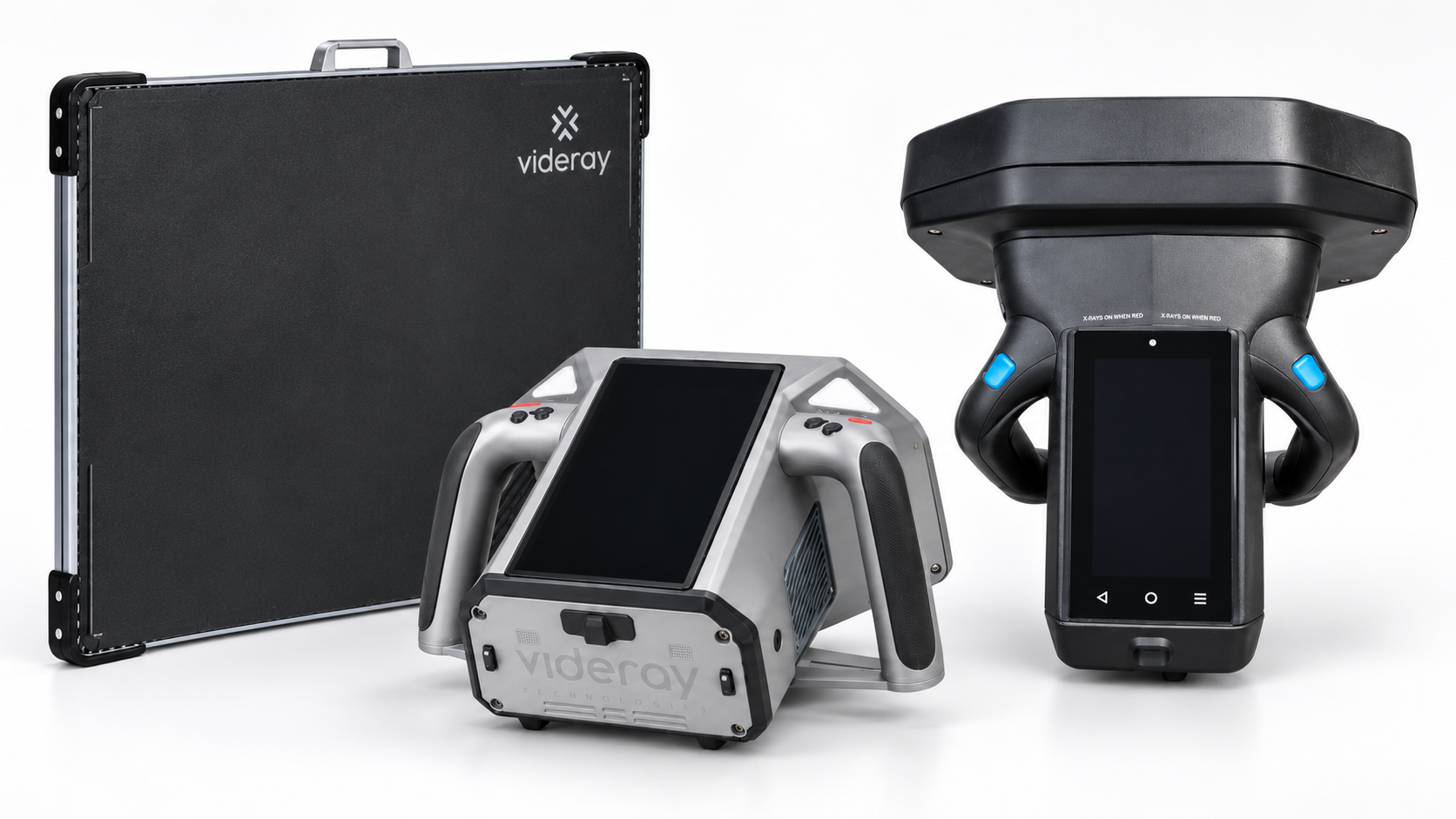
Portable X-Ray Inspection
When an object, fixture, wall cavity, piece of furniture, or other area warrants further examination, SafeGuard can deploy portable X-ray technology to evaluate internal components and concealed structures without immediately requiring destructive inspection. X-ray imaging can help identify unexpected wiring, electronic components, power sources, modifications, and other internal features that warrant additional investigation.
Used alongside NLJD, thermal imaging, physical inspection, and other detection methods, X-ray capability provides another layer of examination when an anomaly cannot be adequately evaluated from the exterior alone.
Key Capability: Portable X-Ray Imaging & Internal Component Inspection • Backscatter and Direct Imaging Options Available
Thermal Imaging & Visual Inspection
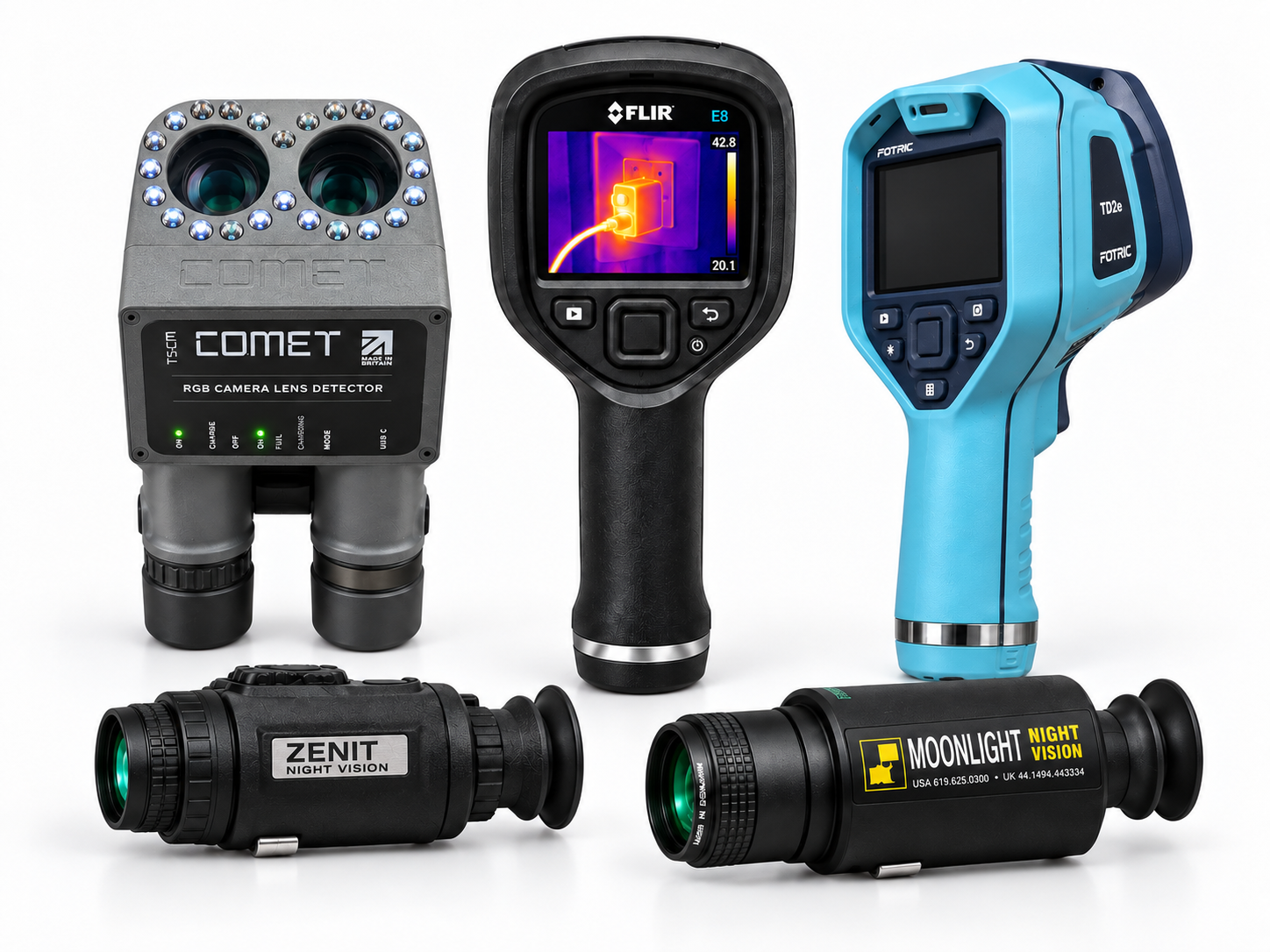
SafeGuard uses professional thermal and visual inspection equipment to examine surfaces, objects, fixtures, structural areas, and other locations for heat patterns, optical reflections, or visual characteristics that may warrant closer examination.
Thermal imaging can reveal temperature differences and heat signatures that may not be apparent through conventional visual inspection. Infrared and night-vision equipment provide additional visibility under low-light or no-light conditions, while optical lens-detection methods can assist in identifying reflective optical components associated with cameras or other concealed imaging devices.
These findings are evaluated alongside RF analysis, NLJD, physical inspection, X-ray examination, and other assessment methods. A heat signature, reflection, or unusual visual observation is not treated as standalone evidence of a surveillance device.
Key Capabilities:
FLIR Thermal Imaging Systems • Infrared & Night-Vision Examination • Optical Lens Detection • Specialized Visual Inspection Equipment
Live Technical Monitoring & Signal Analysis
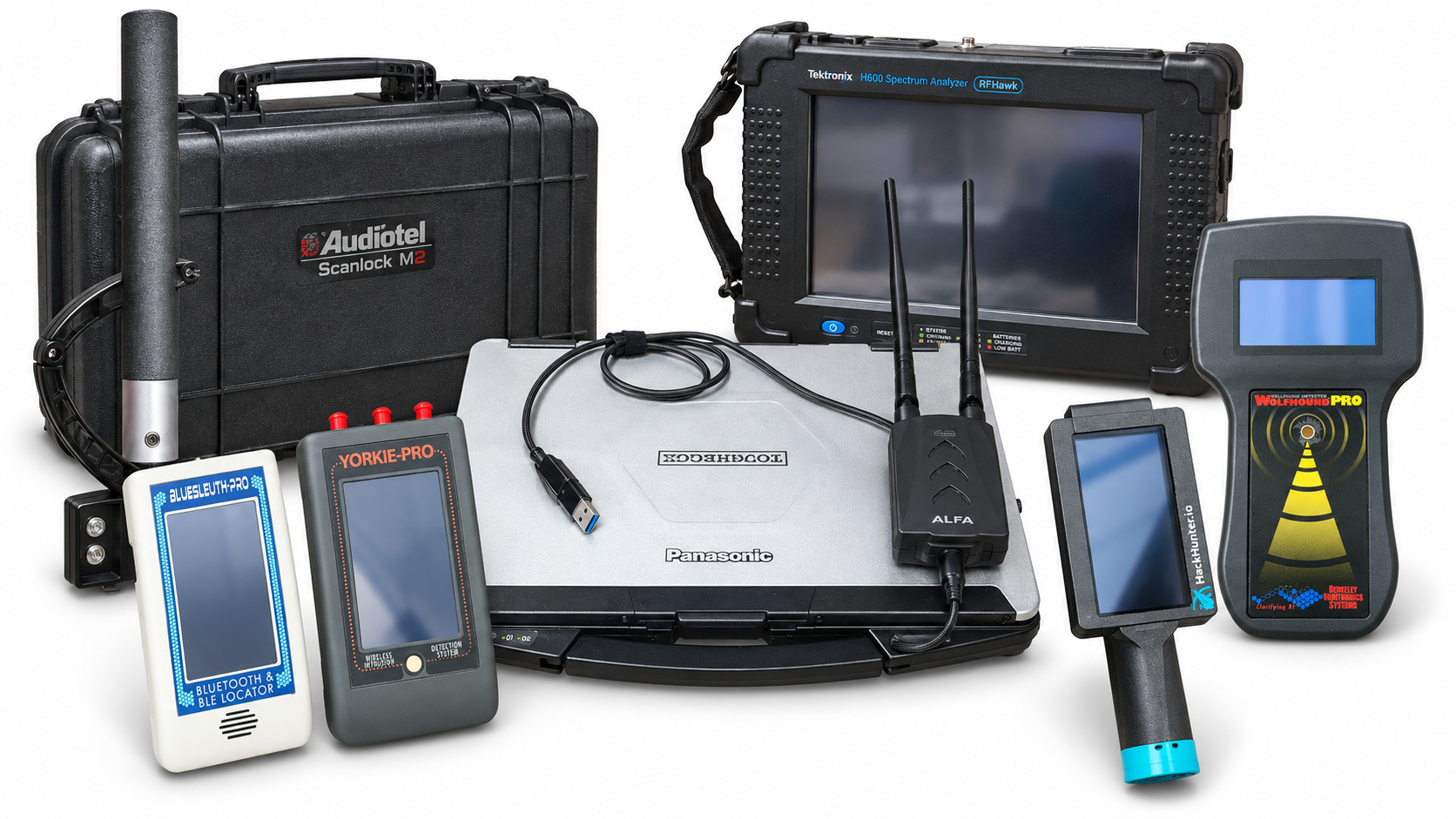
SafeGuard can deploy specialized monitoring equipment during sensitive meetings, executive sessions, and other protected events to observe the technical environment in real time. By combining RF spectrum monitoring, cellular detection, Wi-Fi and Bluetooth analysis, wireless-device identification, and computer-based signal analysis, we can identify changes or unusual activity that may warrant further examination while the event is underway.
Live monitoring is most effective when paired with a pre-event assessment and technical baseline. This allows expected activity to be distinguished from new, unexpected, or potentially concerning signals and devices.
Key Capabilities: RF Spectrum Monitoring • Cellular & Wireless-Device Detection • Wi-Fi & Bluetooth Analysis • Computer-Based Signal Analysis
Telephone & Line Analysis
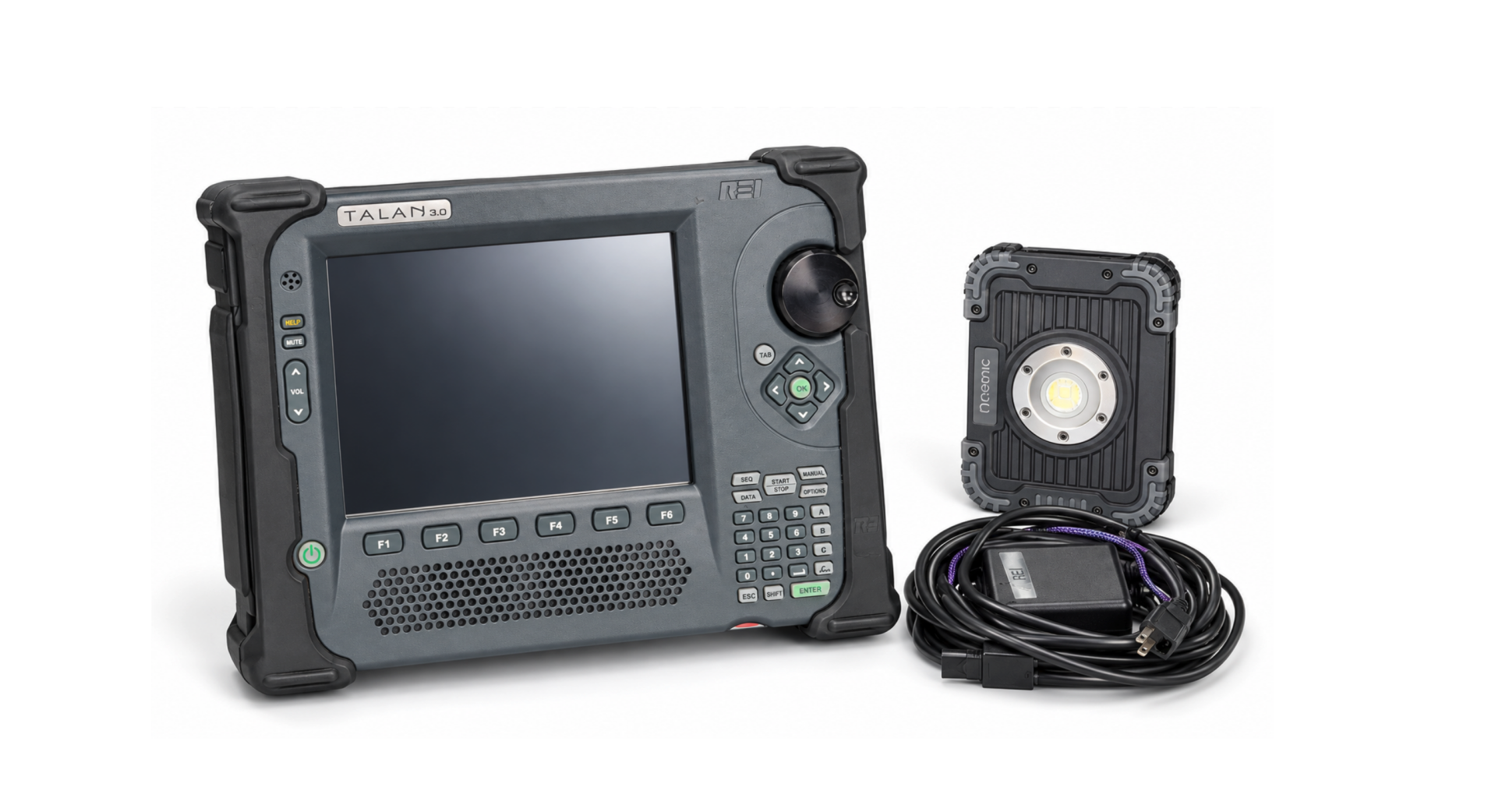
SafeGuard uses specialized telephone and line-analysis equipment to evaluate analog, digital, and other conductive lines for unexpected signals, electrical characteristics, or anomalies that may warrant further investigation. Telephone systems, wiring, and other connected infrastructure can provide potential pathways for technical surveillance that may not be identified through conventional RF analysis alone.
Line analysis is incorporated alongside RF examination, physical inspection, and other TSCM methods to provide a more complete assessment of the environment’s communications infrastructure.
Key Platforms: REI TALAN Telephone & Line Analyzer • Specialized Cable & Line Testing Equipment
Wi-Fi, Bluetooth & Wireless Device Analysis
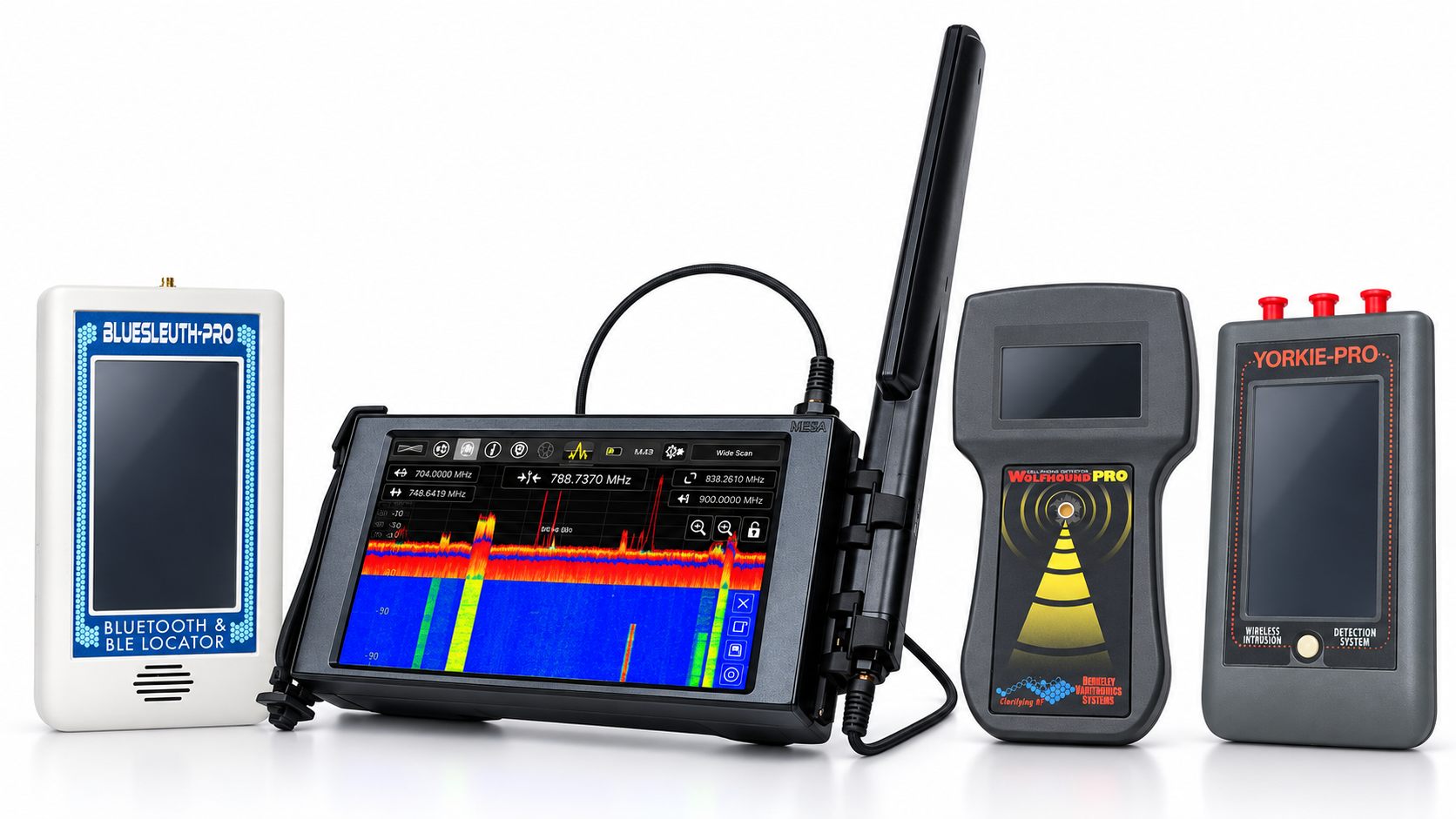
Modern surveillance and tracking technologies may communicate through Wi-Fi, Bluetooth, cellular, and other wireless protocols in addition to conventional RF transmissions. SafeGuard uses specialized equipment and analysis methods to identify, catalog, and evaluate wireless devices and network activity within and around the environment being assessed.
Wireless findings are analyzed in context to distinguish expected devices and activity from unknown or unexpected devices or communications that may warrant further investigation. This capability complements broader RF spectrum analysis by providing additional visibility into commonly used digital wireless technologies.
Key Capabilities: Wi-Fi Device Analysis • Bluetooth & BLE Detection • Cellular & Wireless-Device Identification • Network & Protocol Analysis
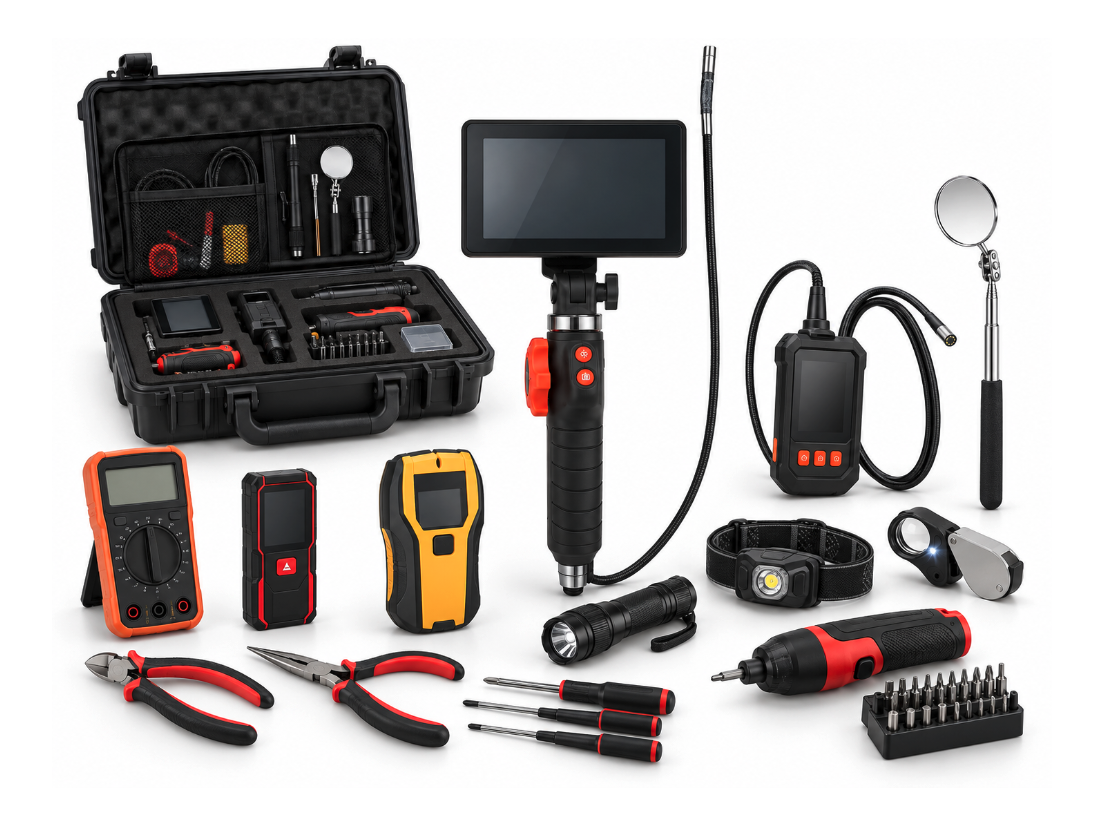
Physical Inspection & Borescopes
Technology alone cannot replace a methodical physical inspection. SafeGuard examines accessible furniture, fixtures, structural areas, equipment, cabling, and other locations where technical surveillance devices or unauthorized modifications could potentially be concealed.
Borescopes, endoscopes, inspection cameras, mirrors, lighting, and other specialized tools allow areas with limited visibility to be examined with minimal disruption. Physical findings can then be evaluated alongside RF, NLJD, X-ray, thermal, and other technical data collected during the assessment.
Physical examination remains a core part of every appropriate SafeGuard TSCM assessment.
A Layered Approach to Technical Security Countermeasures
No single instrument or detection method can provide a complete picture of a technical environment. SafeGuard combines complementary technologies, physical examination, experienced analysis, and appropriate Time on Target to evaluate potential concerns from multiple perspectives.
Equipment and methods are selected according to the environment, scope, and technical objectives of the assessment. When an observation warrants closer examination, additional methods can be introduced to help characterize, correlate, and better understand the finding before conclusions are reached.